How much is an Australian opal worth?
Like diamonds, opals are valued on carat weight, color, clarity and brightness. Opal adds two more: the type of opal and its pattern. Here is how each one moves the price.
1. Color
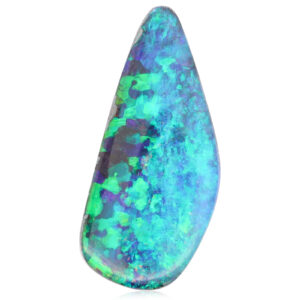
Purple is the most common color and adds little value. Blue is where value starts, then green. Orange, pink and above all red push the price up, often a long way. Red in a dark opal is the combination collectors look for.
2. Pattern
Pinfire and floral patterns are the most common. Broad flash and rolling flash are larger and more striking. The rarest pattern is harlequin, a natural checkerboard of color.
3. Clarity
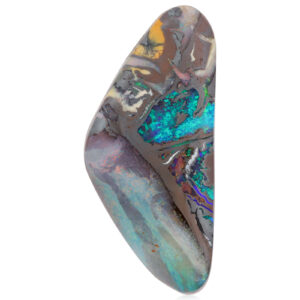
A clean face with few inclusions is worth more. Sand spots, ironstone specks and lines of colorless potch lower the value. The exception is when an inclusion creates the pattern, as it can in flagstone opal.
4. Brightness
Brightness is rated 0 to 5, from dull to brilliant. A brilliant stone shows strong color even in low light.
5. Body tone
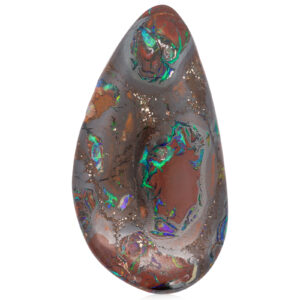
Body tone runs from N1, the darkest, to N9, the lightest. Darker stones show color more intensely and are usually worth more. Boulder opal sits on its ironstone and is valued alongside N1 to N6 stones.
6. Origin
White opal from Coober Pedy is the most common precious opal. Crystal opal is rarer. Black opal from Lightning Ridge is the rarest of all.
7. Carat weight
Bigger stones cost more, but a small stone with red fire and a harlequin pattern can be worth more than a large dull one. Weight only matters once the other six are right.
Want a second opinion on a stone? Our team has valued opal since 1985. Ask us about any piece.